

Wound care is a critical aspect of healthcare, encompassing various techniques and strategies aimed at facilitating optimal healing. It plays a significant role not only in recovery but also in enhancing the quality of life for patients. Proper wound care can prevent complications such as infections, and its importance magnifies in scenarios involving chronic wounds, which affect millions, particularly among older and diabetic populations. Effective wound care is essential to managing these challenges and ensuring that patients are adequately supported throughout their healing journey.
Understanding Common Wound Care Challenges
Wound care presents numerous challenges that can significantly impact healing and patient outcomes. Common wounds, such as ulcers and surgical incisions, often encounter difficulties due to mismanagement or a lack of consistent care strategies. These challenges arise from various factors, including infection risks, chronic conditions, and inadequate patient education. Effective wound care requires an understanding of these issues to implement better management practices. Moreover, Vohra Physicians emphasize the importance of an integrated approach to wound care, addressing not only the wound itself but also the overall health condition of the patient to enhance healing.
Types of Wounds and Their Specific Challenges
Different types of wounds—chronic wounds like diabetic foot ulcers and acute wounds from surgeries—come with unique challenges. Chronic wounds often have a delayed healing process and can lead to significant complications if not managed properly. For instance, diabetic foot ulcers are exacerbated by poor blood circulation, increasing the risk of infection and amputation if not addressed early. In acute wounds, such as surgical incisions, clean environments and proper dressing changes are crucial to prevent post-operative infections and promote efficient healing.
Providing tailored care for each wound type is essential. For example, chronic wounds necessitate regular reevaluation of the wound bed during dressing changes to ensure it is vascularized and free of infection. Conversely, acute wound care requires strict adherence to nursing care protocols to maintain cleanliness and facilitate healing. Hence, identifying the type of wound is the first step in addressing the challenges of wound management effectively.
Why Wound Healing Can Be Complicated
The wound healing process can be complicated due to various biological and environmental factors. Factors such as poor nutrition, underlying health conditions, and environmental contaminants interfere with healing. For instance, inadequate calorie intake can hinder the body’s ability to regenerate tissue, while chronic conditions like diabetes diminish blood flow to wounds, prolonging the healing time.
Moreover, patient education is pivotal. Many patients may not fully understand how lifestyle choices, like smoking or improper dietary habits, can affect their healing processes. Incorporating a nutritionist into the wound care team can ensure that patients receive adequate dietary support to bolster healing. Additionally, healthcare providers must employ comprehensive assessment strategies to tailor interventions according to individual patient needs and circumstances.
To summarize, effective wound care involves understanding the unique challenges presented by different wound types and the intricate factors influencing the wound healing process. Employing a multidisciplinary approach not only addresses immediate wound needs but also enhances overall patient well-being, aligning with best practices in modern wound care management.
Practical Solutions for Enhanced Wound Care
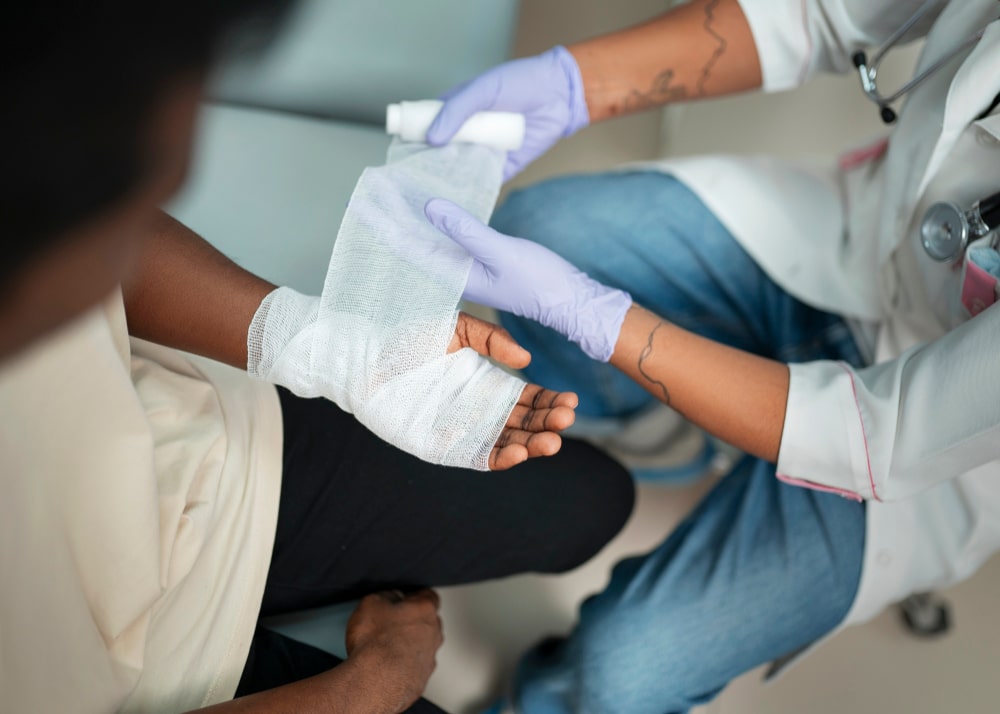
Effective wound care management is essential for promoting healing and minimizing complications in patients. Healthcare providers often face challenges that can hinder optimal outcomes, especially in settings like nursing homes and skilled nursing facilities. This article focuses on practical solutions for wound care that not only follow best practices but are also informed by current research and expert opinions.
One of the primary challenges in wound care is the incorrect application of treatments or procedures. For instance, studies have indicated that many facilities do not follow standardized protocols, leading to inconsistencies in care. According to research in Advances in Wound Care, proper assessment during dressing changes is crucial to ensure that wounds are vascularized and infection-free. Nurses should be diligent in adhering to dressing change schedules and promptly communicate any concerns to healthcare providers. This proactive approach helps avoid complications that could delay healing.
Moreover, it is vital to consider the nutritional needs of patients with wounds. Research highlights the significant role of proper nutrition in the healing process. A nutritionist should assess dietary intake and recommend supplements if necessary. This holistic approach ensures that the body has the necessary resources to facilitate healing.
Another common issue is the prioritization of billing over patient care, which has been exemplified by practices like those previously noted in Vohra Wound Physicians Management. Their alleged false claims for unnecessary procedures underscore the importance of ethical practices in wound care. Healthcare providers must prioritize patient well-being over revenue goals, ensuring that treatments administered are genuinely beneficial.
Implementing electronic medical record (EMR) systems that accurately document and bill services can also streamline wound care management. These systems should be programmed to reflect true patient needs rather than financial targets. By promoting accountability and accurate record-keeping, facilities can safeguard against fraudulent claims and enhance care quality.
Additionally, regular training for healthcare professionals on the latest wound care techniques and Medicare reimbursement policies is essential. Many healthcare workers may lack specialized wound care training, which can lead to inadequate management of wounds. Incorporating ongoing education related to current best practices enhances the skills of healthcare providers and contributes to better patient outcomes.
Finally, the involvement of a multidisciplinary team in wound care is paramount. Collaboration between nurses, nutritionists, and surgical specialists can lead to comprehensive treatment plans for complex cases. This team effort not only provides a more rounded approach to patient care but also helps in individualizing treatment plans that address specific patient needs.
Conclusion
Effective wound care is vital in healthcare, particularly for chronic wounds affecting older and diabetic populations, to prevent complications and improve quality of life. Challenges arise from inconsistent assessment practices, improper dressing selection, and lack of training. Addressing these includes choosing appropriate dressings, interdisciplinary collaboration, and nutritional support to optimize healing.
Mismanagement can lead to significant costs, e.g., chronic wounds contributing to over $25 billion annually in the U.S. Best practices involve systematic dressing schedules and tailored care to each wound type. Involving expert resources and multidisciplinary teams ensures structured strategies that improve outcomes and patient well-being, ultimately aligning with modern wound care management protocols.